Decoding the Data: The US Bureau of Labor Statistics
Given the recent controversy at the Bureau of Labor Statistics (BLS), it is a good time to examine the BLS and the general accuracy of its data.
Are underfunded state pensions the next crisis in the making? Maybe. The financial health of U.S. state pension systems has improved recently, but this progress is built on a fragile foundation, exposing deep structural risks that threaten long-term sustainability.
A severe crisis looms for the United States federal student loan system. The first is a severe repayment crisis. The second is one of fiscal unsustainability for the federal government. The current portfolio of student loan debt sits at $1.77T, an astoundingly large sum. The federal student loan system underwrites 92% of all student loans, equaling 42.7M borrowers.
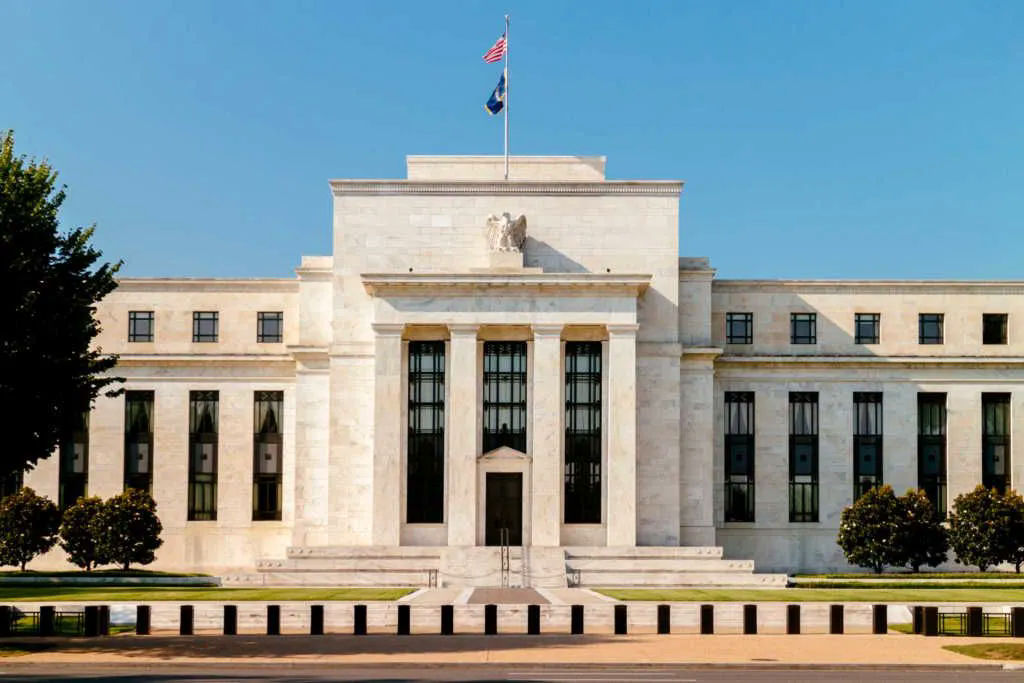
It's unusual to see disagreement at the Fed, especially from someone who thinks they should be less aggressive. But when it happens, it's a big deal. Even though it doesn't happen often, these disagreements often hint at future changes and push against the Fed's tendency to stick with the status quo.
In this market halftime report for 2025, we unpack a period marked by both remarkable resilience and underlying risk in U.S. financial markets. We’ll cover pivotal events—including dramatic trade policy shifts, landmark fiscal legislation, and a turbulent corporate earnings season—that shaped investor sentiment and market performance in the first half of the year. We also delve into the concentrated nature of recent market gains, sector and commodity trends, and the shifting macroeconomic and monetary landscape, offering a concise yet insightful overview of the forces driving equity markets at midyear.
The investment landscape is evolving, moving from an era of low interest rates and disinflation to one of healthier foundations with potentially higher rates and greater inflation volatility. In this environment, strategically allocating to alternative assets becomes critical for enhancing returns and improving diversification beyond a traditional 60/40 portfolio. While alternative assets offer significant benefits, they also introduce challenges such as illiquidity, complexity, opacity, and substantial fees, requiring informed manager selection and due diligence.
Enacted on July 4, 2025, the One Big Beautiful Bill Act (OBBBA) is described as a "sprawling and transformative piece of legislation" intended to enact Trump 2.0’s wide-ranging domestic and economic agenda. It passed with the narrowest of margins via the budget reconciliation process.
Equity tokenization, converting traditional shares into digital tokens on a distributed ledger, promises to revolutionize global finance by creating more liquid, efficient, transparent, and accessible markets, unlocking trillions in value. However, widespread adoption faces three key hurdles: international regulatory agreement, digital ledger integration with existing infrastructure, and developing robust institutional platforms. This transformation is expected to be a phased, multi-year process.
There is an energy crisis in the U.S., just not in the way you might think.
The U.S. is not experiencing an "energy production crisis." In 2024, the nation reached record-breaking total energy production, exceeding 103 quadrillion British thermal units (quads), and became a major net energy exporter, achieving its highest surplus since 1949 (9.3 quads). This was driven by historic output in both fossil fuels (natural gas, crude oil) and explosive growth in renewables. Solar and wind production increased by 25% and 8% respectively, with solar surpassing hydropower for the first time.
The market is defined by a core contradiction: record-high prices coexist with historically low sales activity. This isn’t a normal cycle; it’s a market frozen in place.