Stablecoins vs. SWIFT: Remodeling Global Payments

Stablecoins are shaking up the digital asset world by offering a stable alternative to the wild price swings of cryptocurrencies like Bitcoin. By pegging their value to more stable assets, often fiat currencies like the U.S. dollar, they're finding their way into cross-border payments, traditional finance, and even government experiments with money. This article will dive into the rise of stablecoins, how they measure up against the SWIFT network, and what this all means for the future of how we move money.

0 Comments

Market Volatility, A 50-Year Comparison

A comparative analysis of U.S. stock market volatility from 1973 to 2025 reveals distinct patterns and characteristics across different economic regimes. The period surrounding April 2025 witnessed a notable surge in volatility, primarily driven by abrupt shifts in U.S. tariff policy and the subsequent economic uncertainty. This recent episode provides a valuable opportunity to examine market behavior in the context of historical volatility events.

0 Comments

The U.S. Federal Reserve: A Century of Mixed Stability and Crisis Response

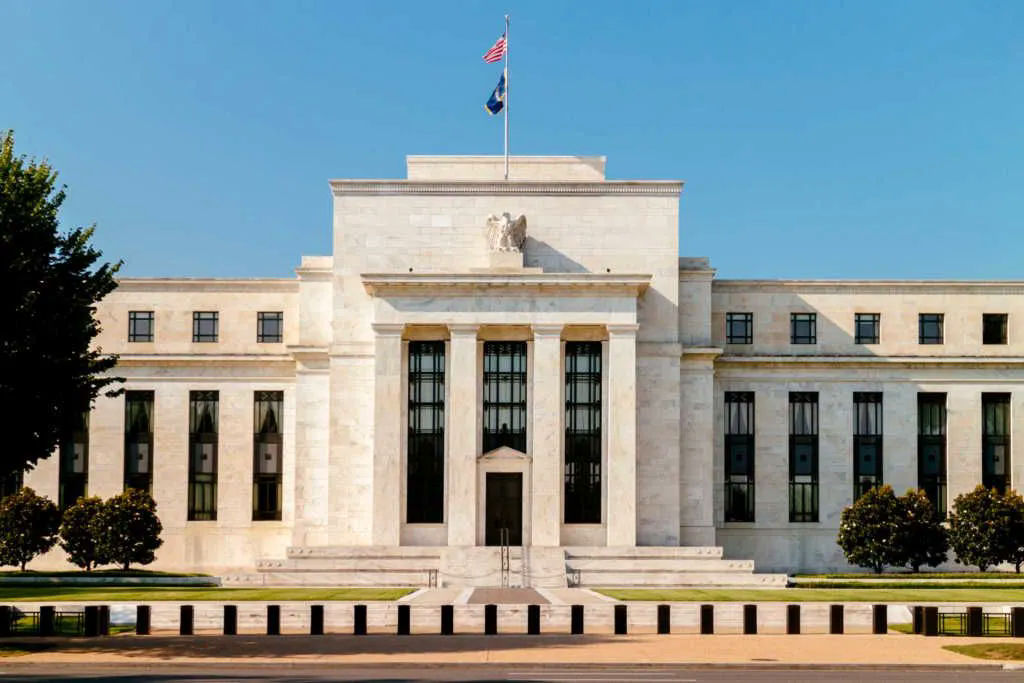
The U.S. Federal Reserve stands as a cornerstone of the nation’s economic framework, born from chaos and tasked with steering the economy through prosperity and peril. This analysis traces its formation in the early 20th century, explores its pivotal role in today’s economy, and evaluates how it confronts modern crises—while spotlighting notable missteps that reveal its limits. With a blend of historical necessity and contemporary relevance, the Fed’s story showcases triumphs and urgent challenges.

0 Comments

Could Abolishing Federal Income Tax Unleash Prosperity—or Chaos?

The notion of eliminating the federal income tax in the United States has lingered in public discourse for years, touted by some as a daring leap toward economic growth and a streamlined tax system. Advocates suggest it could liberate capital, spur investment, and allow Americans to retain more of their earnings. Yet, this provocative idea raises a critical question: would it truly pave the way to prosperity, or would it unleash fiscal turmoil? To explore this, we’ll sift through the data, theories, and practical implications.

0 Comments

US Infrastructure: Urgent Renewal and Economic Imperative

The US must urgently renew its infrastructure to meet 21st-century demands. This analysis will explore the economic benefits, focusing on the current state as assessed by the American Society of Civil Engineers (ASCE), the consequences of neglect, and the role of private investment alongside federal and state expenditure.

0 Comments

Greenland and the Arctic Region’s Strategic and Economic Importance

Greenland holds a strategic position in the 21st century, not just due to its geography, but also because of its abundant and largely untapped natural resources, which are of increasing strategic importance, especially to the United States. This analysis will explore Greenland's significant economic potential, as well as its key military importance.

0 Comments

Market Pullbacks and Recoveries

If you are even a casual observer of markets, or the news, you have noticed that the markets are currently under some pressure. This time the pressure is associated with uncertain administration and Federal Reserve policy. But it really doesn’t matter the source or catalyst of the decline. I often say that the market is down because of “fill in the blank” reason(s).

A stock chart for the last few months is not very encouraging, but if you expand the time frame, market moves that cause consternation today are merely potholes in the road.

0 Comments

Big, Beautiful Tariffs

I hate tariffs. Anyone in our office can confirm that. Or anyone I know for that matter. I firmly believe that tariffs are an economic evil, second only to communism. Today I will lay out the problems with tariffs when they are employed for the long term. The last part of that statement is important – more on that later.

0 Comments

SURPRISE! Fed Predicts That First Quarter GDP Will Be Negative! (Or Maybe Not…)

What a difference a few days make. Last Wednesday, the Atlanta Fed was forecasting GDP growth of about 2.3% for the first quarter of 2025 with its GDPNow tool. As of Monday March 3, 2025, that forecast swung to -2.8%. If this is correct, it will be the first quarterly contraction since 2022.

From the Fed, “Latest estimate: -2.8 percent — March 3, 2025

“The GDPNow model estimate for real GDP growth (seasonally adjusted annual rate) in the first quarter of 2025 is -2.8 percent on March 3, down from -1.5 percent on February 28. After this morning’s releases from the US Census Bureau and the Institute for Supply Management, the nowcast of first quarter real personal consumption expenditures growth and real private fixed investment growth fell from 1.3 percent and 3.5 percent, respectively, to 0.0 percent and 0.1 percent.”

0 Comments