FORECASTS & TRENDS E-LETTER
by Gary D. Halbert
May 2, 2023
US Economy Still Growing – No Sign Of Recession
IN THIS ISSUE:
1. US Economy Grew 1.1% in 1Q – No Recession In Sight
2. Consumer Spending Stalls, Inflation Squeezes Incomes
3. Are Fed Rate Hikes Already Fully Priced In The Market
US Economy Grew 1.1% in 1Q – No Recession In Sight
The Commerce Department reported last week that the US economy grew at an annual rate of 1.1% in the first quarter, which was below the pre-report expectation of 2%. While the report was below the pre-report consensus, it was still solidly positive.
The 1Q expansion followed a strong 4Q in which GDP climbed 2.6%, to end a year that saw a 2.1% overall increase in the economy. The latest report showed that consumer spending, the main driver of the economy, rose by a solid 4.2% in the 1Q, but other factors caused the final reading to be below that level.
The slowdown in growth came due to a decline in private inventory investment and a deceleration in nonresidential fixed investment.
The Conference Board’s Consumer Confidence Index, which measures attitudes toward the economy and the job market, fell to 101.3 in April, down from 104 in March and marking the lowest level since July 2022.
Consumer attitudes on the economy have held steady since the turbulence in the banking industry last month, but high inflation and economic uncertainty have continued to weigh on consumers, as you would expect.
Americans cut their spending at retail stores and restaurants in March for the second straight month, a sign consumers are becoming more cautious after a burst of spending in January.
Retail sales dropped 1% in March from February, a sharper decline than the 0.2% fall in the previous month. Lower sales of autos, electronics and at garden stores, among others, drove the decline.
US Consumer Spending Stalls As Inflation Squeezes Incomes
US consumer spending stalled in March, as persistent inflation and rising interest rates caused Americans to purchase fewer goods. The decline in sales adds to other recent evidence that the economy is cooling as consumers grapple with higher interest rates and the impact of a year-long bout of elevated inflation. Companies are posting fewer open jobs, hiring has slowed even as it remains solid and layoffs have ticked up.
Most forecasters continue to predict a recession in the second half of this year. But for that to happen, we’ll have to see a marked drop-off in consumer spending. And currently, there are few signs of that happening. We’ll have to see what happens, of course, but I see no reason to assume a recession is inevitable later this year.

The latest GDP report comes as the Federal Reserve is seeking to slow an economy burdened by inflation that had been running at its highest level in more than 40 years.
In a policy tightening regime that began in March 2022, the central bank has raised its benchmark interest rate by 4.75 percentage points, taking it to the highest level in nearly 16 years. The Fed is expected to continue to raise its interest rate incrementally (25 basis points) at its next two policy meetings in May and June.
Beyond the expected rate increases in May and June, most Fed-watchers expect the Fed to pause its rate increasing efforts in the second half of this year and wait to see what inflation does for a while. I would agree this is the most likely scenario for Fed policy in the second half of this year.
It remains to be seen what the economy does in the second half of 2023. Will growth continue as it did in the 1Q? Or will we slip into a mild recession as most forecasters continue to expect?
Again, it comes back to one thing: Will consumers continue to spend? Most forecasters believe consumer spending will drop off sufficiently in the second half of this year to bring about at least a mild recession.
But the key question is: What will happen to make consumers lose confidence and pull in their horns? The answer to this question is a difficult one in my opinion. While most forecasters think something will happen, I don’t see a lot of predictions for what that something might be.
Clearly, the economy must slow down for there to be a recession. But what will cause this slowdown? The most commonly cited reason is that the Fed goes too far in hiking interest rates, and this is the something that slows the economy down.
But with the Fed widely expected to stop raising interest rates after its June meeting (and some expect it will stop after the May 2-3 meeting), then continued higher interest rates will not happen in the second half of this year.
So, the question is whether a Fed Funds rate of 5.0% to 5.5%, which is where it will be after two more 25 basis point rate hikes, will be enough to curtail consumer spending and cause a recession in the second half of this year? Apparently, most forecasters believe the answer is yes.
I’m not so sure. Yes, I believe two more rate hikes might be enough to cause a recession. But I also believe it might not. Clearly, two more rate hikes putting the Fed Funds rate at 5.0%-5.50% will have some effect on the economy. The question is, how much?
A lot or a little? This remains to be seen, of course. One thing I question is the fact that a rise to 5.0%-5.5% in the Fed Funds rate just ahead is so widely expected. I don’t remember a time when the public was this convinced about what the Fed is going to do next.
Are Fed Rate Hikes Already Fully Priced In The Market
So, this raises the question of whether two more rate hikes are already fully discounted by the markets and consumer expectations as well. I believe it is entirely possible that the upcoming rate hikes are already fully discounted by the markets and consumer expectations.
If this is true, then the upcoming rate hikes may not cause a significant reaction in the markets and may not have a serious impact on consumer spending. We’ll have to see, of course, but I believe there is a real possibility that the upcoming rate hikes by the Fed are already baked into cake, so to speak.
If this is correct, the rate hikes are already priced in, and this raises the question of what’s going to cause a recession in the second half of this year, as so many forecasters continue to predict?
Sure, a lot of bad things could happen. This is always true. But the fact is, they’re not happening now, and it remains to be seen if such negative developments happen in the second half of this year.
The question is, what happens if they don’t? If they don’t materialize, then consumer spending is likely to keep chugging along, and the economy should continue to grow in the second half of this year. And thus, no recession.
To be clear, I’m not saying there won’t be a recession later this year. I’m just questioning whether it is the most likely scenario. At this point, I don’t believe it’s a foregone conclusion that we have a recession this year. Maybe we will, maybe we won’t. Time will tell.
In the meantime, consumers are likely to continue living their lives as normal and spending what they normally spend. Until there are clear signs a recession is coming, I don’t expect this to change. Why would it?
Yet most forecasters continue to predict that consumer attitudes will change to a more negative outlook later this year, and they will cut back on spending, thus leading to a recession.
Maybe so, but I don’t believe this is a foregone conclusion.
In the meantime, consumers will likely continue spending, and the economy is likely to remain in at least modestly positive territory. Maybe bad things are coming our way later this year. That’s always possible.
But is it the most likely scenario? At this point, I don’t agree it is. The markets don’t seem to agree either, at least not presently.
So, as always, we’ll just have to wait and see what happens.
Very best regards,
[Gary]
Gary D. Halbert
SPECIAL ARTICLES
Gross Domestic Product Rose 1.1% in !Q, Economy Is Slowing
Consumer Spending Slowed In 1Q, But Still In Positive Territory
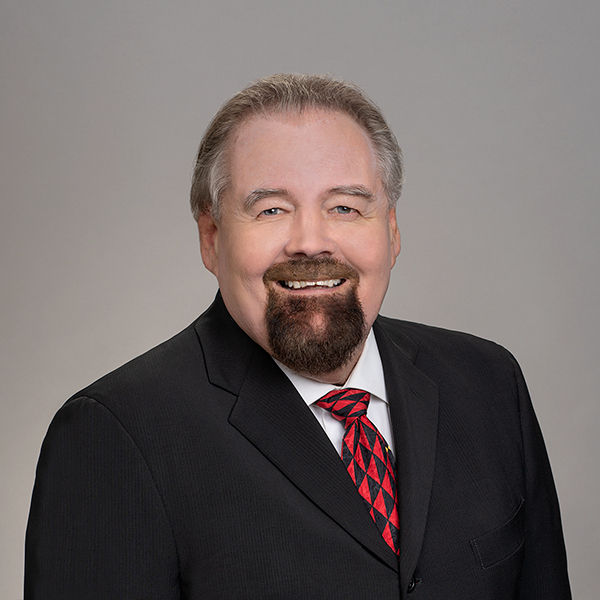
Gary D. Halbert is the founder of the Forecasts & Trends newsletter with over 40 years of experience in the investment business. He graduated from American Graduate School of International Management (“Thunderbird”) in Phoenix, Arizona, where he earned his Master’s Degree in International Business. His newsletters have been widely acclaimed because of their simple explanations of complex issues.